Dredging is a complex yet essential operation in marine engineering, mining, and infrastructure development. From transporting slurry through dredging pipes to managing a full-scale dredging plant, every component must function efficiently to ensure smooth operations. However, challenges such as dredging problems and procedural inefficiencies can impact productivity and costs. Understanding proper dredging procedures and using advanced support equipment is key to overcoming these challenges.
Dredging Pipes and Their Importance
Dredging pipes are critical for transporting dredged materials such as sand, sludge, and gravel from the excavation site to disposal or processing areas. These pipes must be:
Durable to withstand abrasive materials
Flexible for different site configurations
Designed to minimize leakage and pressure loss
High-quality dredging pipes ensure efficient material flow and reduce maintenance requirements.
Dredging Plant Overview
A dredging plant consists of all the equipment and systems required for a complete dredging operation, including:
Dredgers and excavation tools
Pumps and hydraulic systems
Pipelines for slurry transport
Power supply units
Monitoring and control systems
An optimized dredging plant integrates these components to deliver maximum efficiency and operational reliability.
Common Dredging Problems
Despite technological advancements, operators frequently encounter dredging problems such as:
Blockages in dredging pipes
Equipment wear due to abrasive materials
Inconsistent hydraulic power supply
Environmental and regulatory challenges
Downtime caused by equipment failure
Addressing these issues requires robust equipment and well-planned operational strategies.
Dredging Procedures for Efficient Operations
Effective dredging procedures are essential for maintaining safety and productivity. Key steps include:
Site Assessment
Analyze sediment type, water depth, and environmental conditions
Equipment Selection
Choose appropriate dredging machines, pipes, and support systems
Operational Planning
Define workflow, timelines, and safety measures
Execution and Monitoring
Ensure consistent performance and adjust operations as needed
Maintenance and Inspection
Regularly check equipment to prevent failures and downtime
Following structured procedures helps minimize risks and improve overall efficiency.
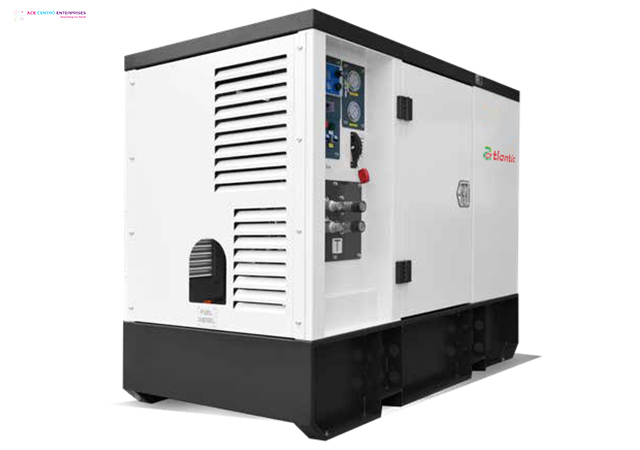
Powering the Dredging Plant: Atlantic Hydraulic Power Pack HPP 150 – 350
The Atlantic Hydraulic Power Pack HPP 150–350 is a high-performance solution designed to support various components within a dredging plant. Its multi-functional capability makes it ideal for powering multiple tools used in dredging operations.
Key Features
Portable and versatile hydraulic power unit
Compatible with a wide range of equipment, including:
Submersible water pumps
Concrete crushers
Cut-off and disc saws
Diamond chain saws
Rock and core drills
Air compressors
Power generators
This flexibility allows operators to streamline processes and reduce reliance on multiple power sources.
Hydraulic Configurations
The HPP 150–350 offers adaptable configurations to meet diverse operational needs:
Single Hydraulic Circuit
One gear pump for dedicated applications
Dual Hydraulic Circuits
Two gear pumps allowing:
Parallel operations
Combined flow for increased output
Piston Pump Option
Suitable for high-pressure requirements above 210 bar
Remote Control Capability
Enhances operational safety and ease of use
Technical Specifications
Specification Details
Model HPP 150 – 350
Oil Flow 2 × 75 LPM = 150 LPM
Maximum Pressure 350 bar
Prime Mover Deutz TCD 3.6, 4-cylinder inline
Engine Speed 1800 rpm
Engine Power 70 kW – 100 kW
Hydraulic Circuits Double circuit with twin piston pumps
Dimensions 2,250 × 1,350 × 2,400 mm
Weight 2000 kg
Benefits for Dredging Operations
Integrating the Atlantic HPP 150–350 into a dredging plant provides:
Reliable and consistent hydraulic power
Increased efficiency across multiple operations
Reduced downtime and maintenance costs
Enhanced ability to tackle complex dredging problems
Its rugged construction ensures dependable performance even in harsh environments.
Conclusion
Efficient dredging operations depend on the seamless integration of dredging pipes, a well-structured dredging plant, and clearly defined dredging procedures. By addressing common dredging problems and utilizing advanced equipment like the Atlantic Hydraulic Power Pack HPP 150–350, operators can significantly improve productivity, safety, and cost-effectiveness.
Dredging Pipes, Dredging Plant, Dredging Problems, Dredging Procedures