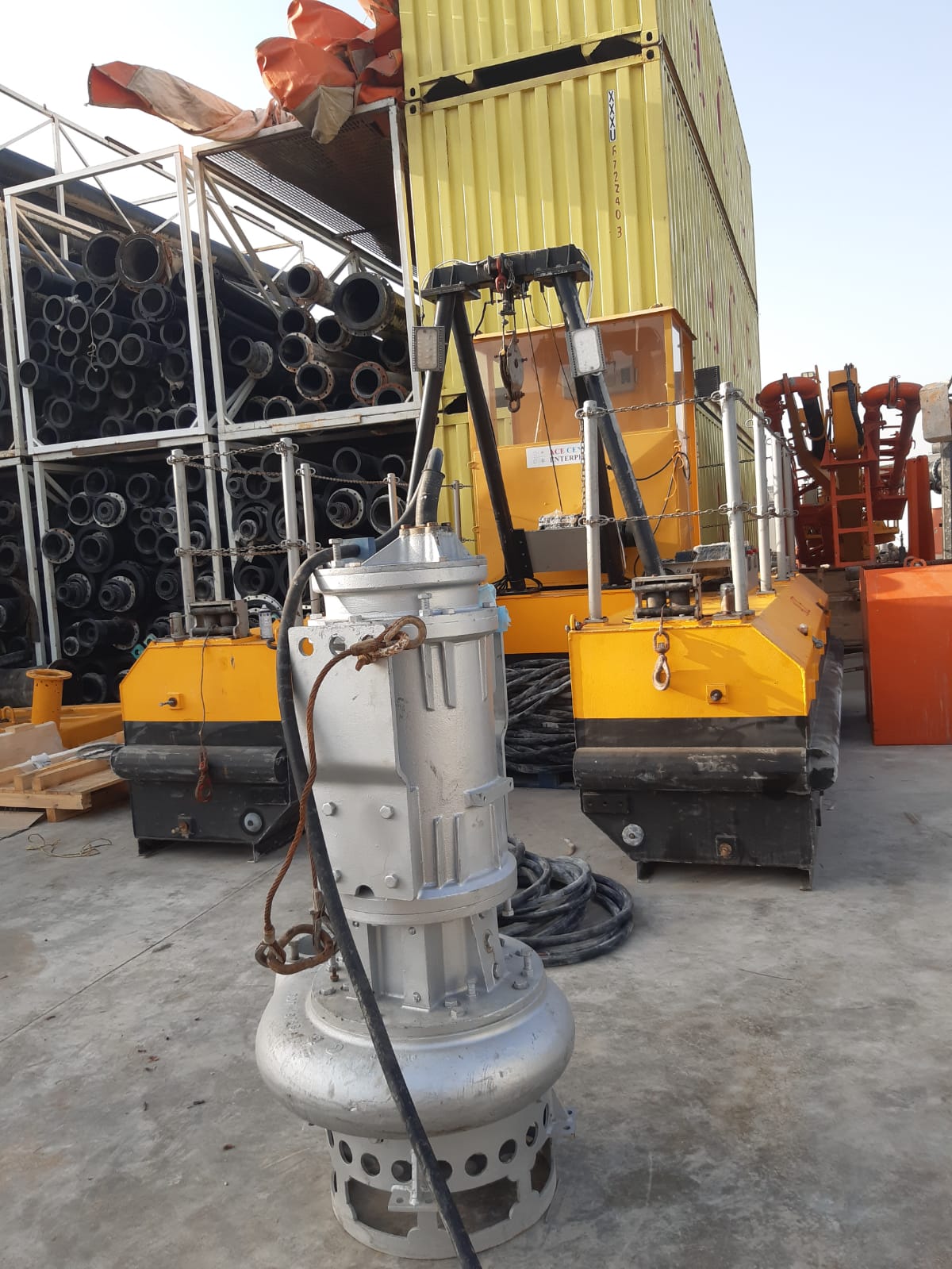
When dealing with dense slurry, heavy sediment, or abrasive material, choosing a reliable high solids dredging pump (70% solids) is critical for maintaining efficiency and reducing downtime. The Dragflow DRP60 Remote Control Dredger is specifically engineered to handle some of the most demanding dredging conditions in ports, mining sites, industrial waterways, and shallow water environments.
About Dragflow: Experts in Heavy-Duty Dredging Technology
Dragflow is a globally recognized manufacturer specializing in solid pumping and dredging solutions. With over 25 years of experience, the company has developed a strong reputation in designing and producing heavy-duty submersible dredging pumps and complete dredging systems.
Operating from Verona, Italy, Dragflow focuses on electric and hydraulic-driven pumping systems designed for extreme working conditions, especially where high concentrations of abrasive solids are present. Their equipment is widely used in dredging, mining, and industrial sectors around the world.
Dragflow DRP60 Remote Control Dredger
The Dragflow DRP60 Remote Control Dredger is a high-performance system designed to deliver maximum efficiency, safety, and reliability in challenging dredging operations. It is particularly effective in environments requiring high solids handling capacity and precise remote operation.
Equipped with a powerful dredge pump featuring a discharge diameter of up to 150 mm (6 inches), the DRP60 ensures smooth and continuous operation even in harsh and shallow water conditions.
High Solids Dredging Pump (70% Solids) Capability
One of the most important features of the DRP60 is its ability to operate as a high solids dredging pump (70% solids) system. This capability provides several key advantages:
Handles up to 70% solid concentration by weight
Efficient pumping of dense slurry and heavy sediment
Reduced water dilution requirements
Improved material recovery efficiency
Lower operational cycles for higher productivity
This makes the DRP60 ideal for projects involving thick sludge, mining tailings, and heavily sedimented water bodies.
Technical Specifications
Solid handling capacity: up to 70% by weight
Pumping capacity: up to 800 m³/h
Discharge distance: up to 900 m
Working depth: up to 20 m
Power range: 25 HP to 120 HP
Hydraulic and electric drive options available
GPS tracking integration for real-time monitoring
Remote control via 3G advanced web-based system
Main Features of the DRP60
Compact and Easy Deployment
The DRP60 is designed for fast mobilization, making it suitable for remote and difficult-to-access dredging sites.
Remote-Controlled Precision Operation
Operators can control the dredger from a safe distance, improving accuracy and reducing operational risks.
Heavy-Duty Dredging Pump System
At its core is a robust high solids dredging pump (70% solids) designed to handle abrasive and dense materials with ease.
Remote Assistance and Diagnostics
Built-in remote support allows for faster troubleshooting and reduced downtime.
Optimized for Shallow Water Operations
The DRP60 performs efficiently in shallow water environments such as harbors, rivers, and coastal zones.
Applications of the Dragflow DRP60
The DRP60 is suitable for a wide range of industrial and environmental dredging applications:
Harbor Maintenance: Keeps navigation channels clear of sediment buildup
Mining Operations: Recovers materials from tailings ponds and slurry deposits
Sand and Gravel Extraction: Efficient dredging from natural water bodies
Environmental Remediation: Restores contaminated lakes and waterways
Flood Control Projects: Removes excess sediment from rivers and drainage systems
Shallow Water Dredging: Ideal for coastal and inland water management
Why Choose a High Solids Dredging Pump (70% Solids)?
Investing in a high solids dredging pump (70% solids) like the Dragflow DRP60 offers significant operational benefits:
Higher material throughput per cycle
Reduced fuel and energy consumption
Lower dilution of dredged material
Improved efficiency in dense sediment conditions
Longer operational uptime with fewer interruptions
High Solids Dredging Pump 70 Solids Dragflow DRP60 Remote Control Dredger for Extreme Duty Applications