Proper maintenance is an important part of keeping mixer pump equipment operating efficiently on demanding construction and flooring projects. Regular inspections, cleaning, and timely replacement of wear components can help contractors maintain reliable equipment performance and reduce unexpected downtime.
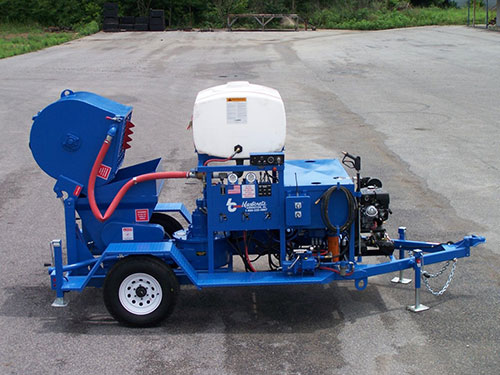
The Blastcrete D6528 Mixer/Pump is designed for field batching and pumping up to 12 cubic yards per hour. It combines a 9 cubic foot hydraulic spiral mixer, a 12 cubic foot receiving hopper, and a 3-inch hydraulic squeeze pump into one integrated system.
For contractors operating this equipment, understanding mixer pump maintenance and planning for mixer pump replacement parts can help support consistent job-site operation.
Understanding D6528 Mixer Pump Maintenance
The D6528 combines several mechanical and hydraulic systems, so maintenance should address the mixer, hopper, pumping system, hydraulic components, and available accessories.
Routine equipment care can include:
Cleaning the mixer after operation
Inspecting the pumping system
Checking pumping tubes for wear
Inspecting the receiving hopper and agitator
Checking hydraulic components
Inspecting connections and operating controls
Following the manufacturer's recommended service procedures
Actual maintenance intervals and procedures should always follow the equipment manufacturer's instructions and the specific operating conditions of the machine.
Keep the Hydraulic Spiral Mixer Clean
The D6528 features a 9 cubic foot hydraulic spiral mixer with a hydraulic dump and clean-out door.
Cleaning the mixer after use can help prevent hardened material from accumulating inside the mixing area. Material buildup can make subsequent cleaning more difficult and may interfere with normal equipment operation.
The clean-out door provides access for routine cleaning and inspection.
A practical maintenance routine should include checking the mixer after each operation and removing material according to the manufacturer's recommended cleaning procedure.
Inspect the Hydraulic Mixer System
The hydraulic system controls important functions of the D6528, including the mixer operation and hydraulic dump.
Regular inspection can help identify potential issues before they become larger problems. Contractors should follow the manufacturer's recommended procedures for checking hydraulic components, connections, fluid levels, and other service points.
If unusual noises, leaks, reduced performance, or other operating changes are observed, the equipment should be inspected according to the appropriate service procedures.
Maintaining the 12 Cubic Foot Receiving Hopper
The D6528 includes a 12 cubic foot receiving hopper with hydraulic agitator.
The hopper receives material directly from the mixer before it enters the pumping system. Keeping the hopper clean and checking the hydraulic agitator can help maintain the material-handling process.
After operation, contractors should inspect the hopper for material buildup and clean it according to recommended procedures.
The hydraulic agitator should also be checked as part of routine equipment inspection to ensure that it operates correctly.
Mixer Pump Replacement Parts
Wear components eventually require replacement on equipment used regularly in demanding field conditions. Planning for mixer pump replacement parts can help contractors reduce downtime when service is required.
The D6528's pumping system includes components that should be monitored for normal wear, including its pumping tubes.
Because replacement requirements depend on operating conditions, material, usage, and maintenance practices, contractors should use the manufacturer's recommended parts and service procedures when replacing components.
Pumping Tube Inspection
The D6528 uses a 3-inch hydraulic squeeze pump with long-lasting pumping tubes.
Pumping tubes are important wear components because they are directly involved in the material-pumping process. Contractors should periodically inspect tubes for signs of wear or damage and replace them when they reach the manufacturer's recommended service condition.
Regular inspection can help identify wear before it affects pumping performance or results in unexpected downtime.
When replacement is necessary, using the correct replacement tube specified for the D6528 is important for proper equipment operation.
Maintaining the 3-Inch Hydraulic Squeeze Pump
The D6528's 3-inch hydraulic squeeze pump is driven by a heavy-duty planetary gearbox.
Routine pump maintenance should include following the manufacturer's recommended inspection and lubrication procedures for the pump and associated drive components.
Operators should also pay attention to changes in pumping performance. Unusual pressure, inconsistent material delivery, abnormal sounds, or visible component wear can indicate that inspection or service may be required.
Maintenance should be performed by qualified personnel following the appropriate equipment service instructions.
Check the Planetary Gearbox
The heavy-duty planetary gearbox provides drive power for the D6528's squeeze pump.
Because the gearbox is an important part of the pumping system, contractors should follow the manufacturer's recommendations for lubrication, inspection, and service.
Maintaining the gearbox according to the recommended schedule can help support reliable pump operation and protect important drive components.
Variable-Speed Pump Maintenance
The D6528 pump provides variable output from 0 to 12 cubic yards per hour.
Operators should monitor the pump during operation and pay attention to changes in output or pumping behavior. If the pump does not maintain the expected flow rate, the system should be inspected according to the manufacturer's troubleshooting and maintenance procedures.
Proper adjustment and maintenance of the pumping system can help contractors maintain controlled material delivery.
D6528 Maintenance and Gypsum Flooring
The D6528 is a popular solution for gypsum flooring applications. Gypsum materials can create significant cleanup requirements if material is allowed to harden inside the mixer, hopper, or pumping system.
For this reason, appropriate post-operation cleaning can be particularly important when the equipment is used for gypsum flooring.
A consistent routine can include:
Complete the pumping operation according to the manufacturer's procedures.
Clean the mixer and clean-out area.
Inspect the receiving hopper.
Check the pumping system for material buildup.
Inspect pumping tubes and other wear components.
Perform recommended hydraulic and mechanical checks.
Store the equipment according to the manufacturer's guidelines.
The exact cleaning process should always follow the material manufacturer's and equipment manufacturer's instructions.
Common Areas to Inspect
A regular inspection program can help contractors identify potential maintenance requirements.
Component Maintenance Focus
Hydraulic Spiral Mixer Cleaning, wear, hydraulic operation
Clean-Out Door Cleaning and condition
Receiving Hopper Material buildup and condition
Hydraulic Agitator Operation and hydraulic components
3-Inch Squeeze Pump Pump operation and wear
Pumping Tubes Wear and replacement condition
Planetary Gearbox Lubrication and inspection
Hydraulic System Connections, leaks, and service requirements
Controls Pendant or wireless remote operation
This checklist is a general maintenance reference and should not replace the manufacturer's service instructions.
D6528 Specifications
Understanding the machine's primary specifications can also help contractors identify the correct components when ordering service or replacement parts.
Specification D6528
Length 204 inches
Width 88 inches
Water Tank Height 89 inches
Mixer Height, Dump Position 86 inches
Charging Height 48 inches
Output Capacity 0–12 cubic yards per hour
Mixer Capacity 9 cubic feet
Receiving Hopper Capacity 12 cubic feet
Pump 3-inch hydraulic squeeze pump
Ordering the Correct Mixer Pump Replacement Parts
When purchasing mixer pump replacement parts, contractors should identify the exact equipment model and component required before placing an order.
For a D6528, useful information can include:
Equipment model
Component name
Part number, when available
Machine configuration
Power configuration
Description of the replacement component
Using the correct equipment information helps ensure that the replacement component is appropriate for the machine.
For critical components, contractors should consult the equipment manufacturer or authorized parts/service source rather than selecting a substitute based only on appearance or dimensions.
Diesel and Electric D6528 Configurations
The D6528 is available with two primary power configurations.
Diesel Configuration
The diesel model uses a Kubota V1505 29 HP water-cooled diesel engine.
Electric Configuration
The electric model uses a 30 HP electric motor with starter and disconnect.
Maintenance requirements can vary between these configurations, so contractors should follow the appropriate service procedures for the specific power system installed on their machine.
Available D6528 Options
The D6528 can be equipped with several optional features, including:
Pendant or wireless remote
150-gallon water tank with 2-inch flow meter
Spare tire mounted
Hydraulic pressure washer
Dual axles
Mounted air compressor
Each optional component can introduce additional inspection or maintenance requirements. Contractors should include installed options in their overall equipment maintenance program.
D6528 Mixer Pump Maintenance and Replacement Parts Guide